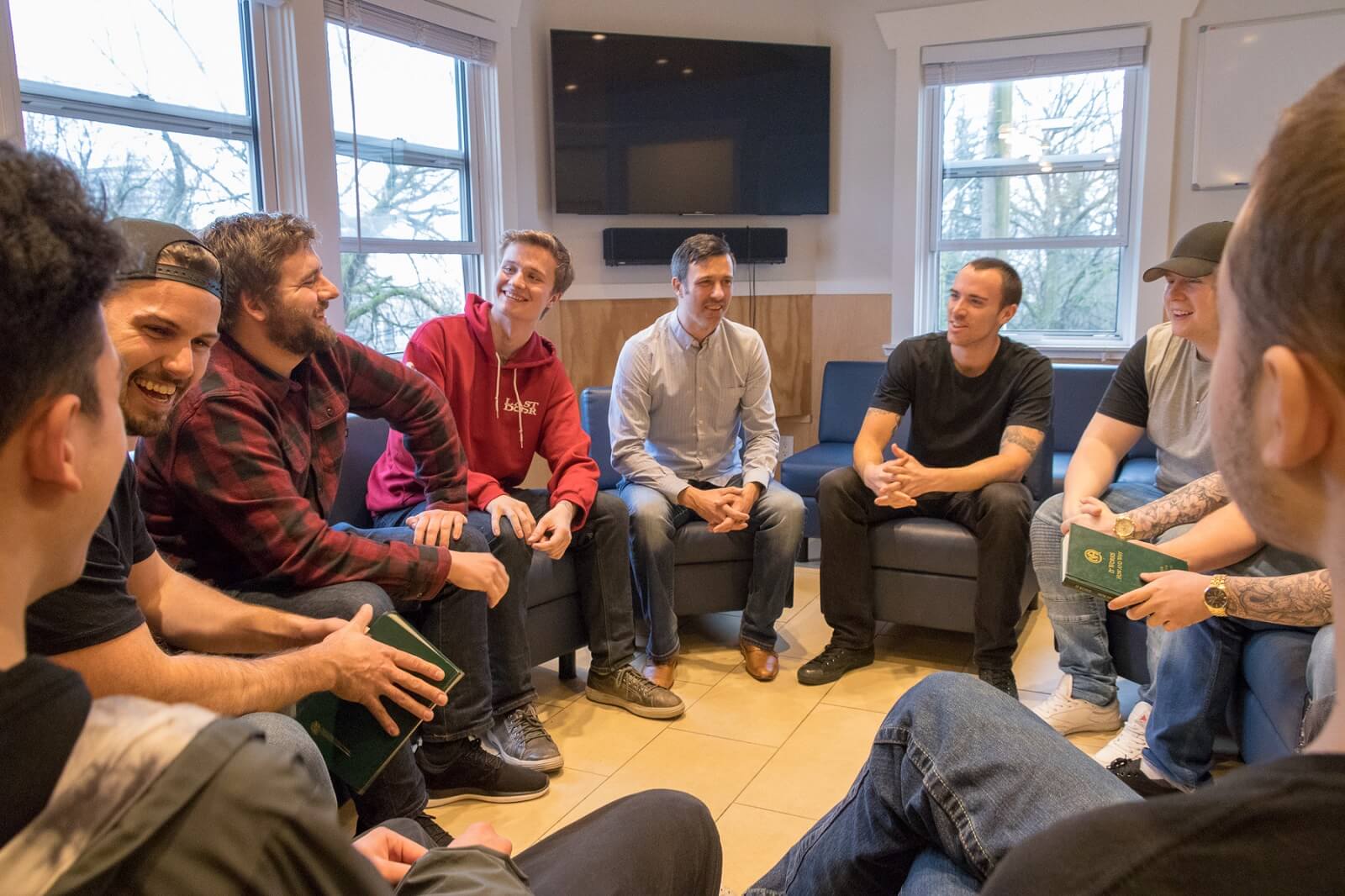
Sober living homes (also called halfway houses or transitional housing) provide a safe, structured, substance-free environment for people in recovery. You live with others committed to sobriety, follow house rules, participate in recovery activities, and gradually rebuild your independence while maintaining accountability and support.
What to Expect
Shared living with other people in recovery
House rules and curfews
Random drug/alcohol testing
Required meeting attendance (AA/NA, etc.)
Chores and house responsibilities
Freedom to work, attend school, socialize
Who It's For
Completed inpatient or residential treatment
Unsafe or triggering home environment
Need accountability and structure
Early recovery (3-12 months typically)
Motivated and committed to sobriety
The Bridge Between Treatment and Independence
Going from the structured environment of treatment directly back to your old life is one of the biggest relapse triggers. Sober living homes provide a middle step—more freedom than treatment, but more accountability than living alone. You gradually rebuild life skills, employment, and healthy routines while surrounded by others doing the same.
How Long Should You Stay?
There's no fixed timeline—you stay as long as you need. Some people stay 3 months, others 12+ months. Research shows longer stays (6+ months) significantly reduce relapse rates. The goal is to leave when you have stable employment, healthy habits, and confidence in your recovery foundation.
Not Treatment—But Critical for Recovery
Sober living isn't therapy or treatment—it's housing with accountability. But the peer support, structure, and substance-free environment during those fragile early months can be the difference between sustained recovery and relapse. Many people credit sober living as the most important factor in their long-term success.
Cost and Payment
Sober living homes typically charge monthly rent (ranging from $500-$3,000+ depending on location and amenities). Most homes are NOT covered by insurance, though some accept vouchers or offer sliding scale rates. Many residents work or attend school while living there to cover costs.
18 Sober Living Homes
Structured sober living environments across Canada
Disclaimer: This content is for informational purposes only and does not constitute medical advice. Treatment decisions should be made in consultation with qualified healthcare professionals.
Find Sober Living Housing
Connect with structured, supportive sober living homes in your area. Get help finding the right environment for your recovery.